

How Punctal Plugs Help Manage Chronic Dry Eye Symptoms
How Punctal Plugs Help Manage Chronic Dry Eye Symptoms
Chronic dry eye happens when your eyes do not produce enough tears or when the tears evaporate too quickly. For many patients, this can lead to burning, stinging, redness, watery eyes, light sensitivity, and blurred vision. While occasional dryness is common, ongoing symptoms may need more targeted care.
For patients in Austin, TX, dry air, allergies, screen use, contact lenses, and prolonged time outdoors can all contribute to dry eye discomfort. When artificial tears are not enough, your eye doctor may recommend punctal plugs as part of a dry eye treatment plan.
What Are Punctal Plugs?
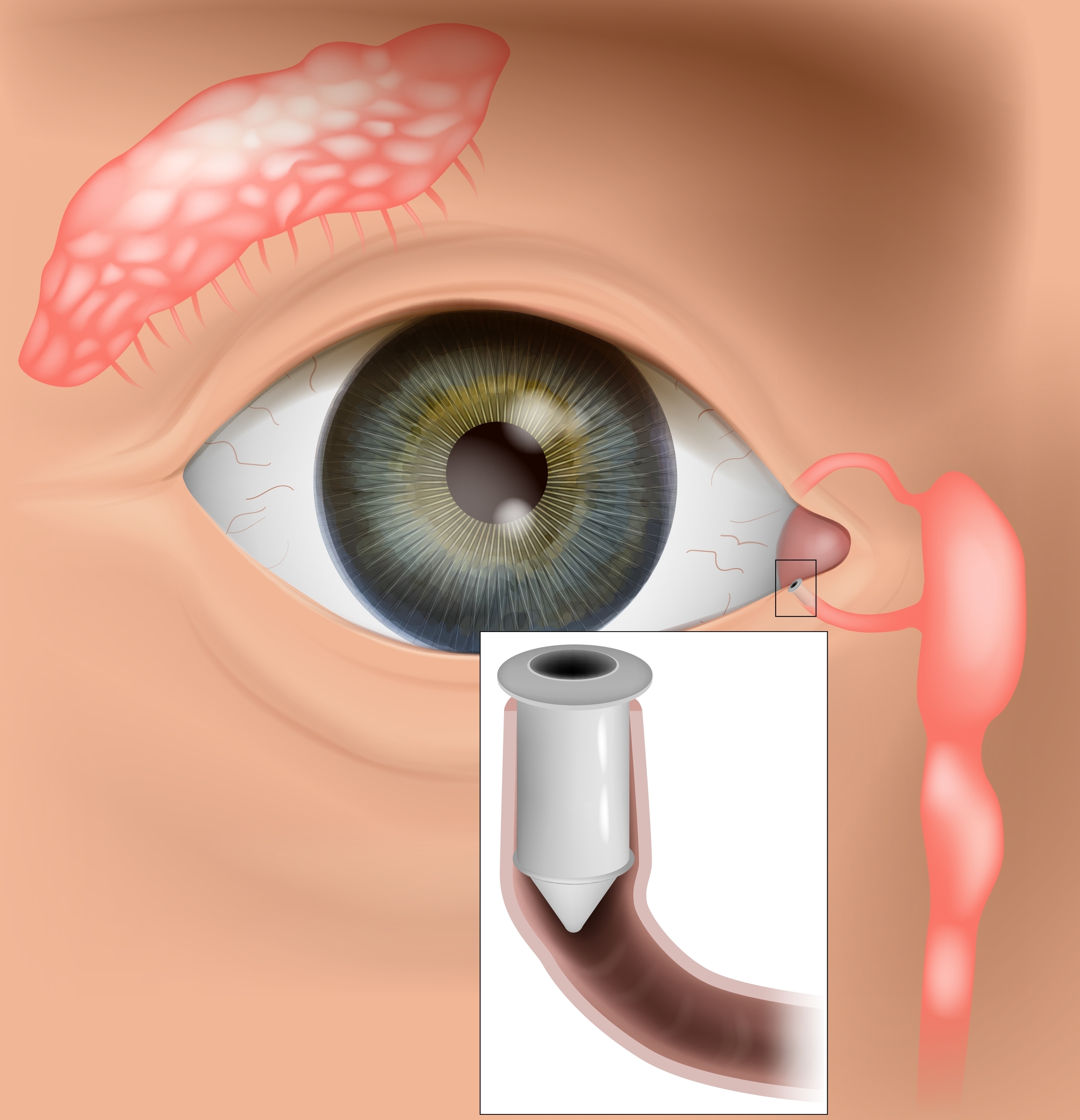
Punctal plugs are tiny medical devices placed in the tear ducts, also called puncta. These tear ducts are located near the inner corners of the eyelids and help drain tears away from the eye.
When punctal plugs are inserted, they help slow tear drainage so your natural tears stay on the surface of the eye longer. This can improve moisture, reduce irritation, and help protect the eye’s surface throughout the day.
How Punctal Plugs Help Dry Eye Symptoms
Punctal plugs do not create more tears. Instead, they help your eyes make better use of the tears already being produced. By keeping tears on the eye longer, punctal plugs can help support a healthier tear film.
This may be especially helpful for patients with aqueous deficient dry eye, which means the eyes are not producing enough of the watery layer of tears. Your eye doctor can evaluate your symptoms and tear quality to determine whether punctal plugs are the right fit.
Signs You May Benefit From Punctal Plugs
Your eye doctor may discuss punctal plugs if dry eye symptoms continue despite over-the-counter drops or lifestyle changes. Common signs include:
- Ongoing burning, stinging, or gritty-feeling eyes
- Dryness that returns soon after using artificial tears
- Eye irritation while reading, driving, or using screens
- Contact lens discomfort caused by dryness
- Blurry vision that improves after blinking
- Light sensitivity or frequent eye watering
These symptoms can have several causes, so a professional dry eye evaluation is important before choosing treatment.
What To Expect During Treatment
Punctal plug placement is typically quick and performed in-office. Your eye doctor will examine your eyes, review your symptoms, and determine which tear ducts may benefit from plugs. The plugs are then gently placed into the puncta.
Most patients can return to normal activities right away. Some plugs are temporary and dissolve over time, while others are designed to last longer. Your eye doctor may recommend one type over another based on your dry eye severity and treatment goals.
Are Punctal Plugs Right For Everyone?
Punctal plugs can be effective for many chronic dry eye patients, but they are not the right solution for every case. If inflammation, allergies, eyelid issues, or meibomian gland dysfunction are contributing to dryness, your treatment plan may include other therapies as well.
A complete dry eye exam helps identify the root cause of symptoms instead of only treating the discomfort. This allows your eye doctor to recommend care that is specific to your eyes, lifestyle, and long-term comfort.
Managing Dry Eye With Personalized Care
Dry eye is not a one-size-fits-all condition. Some patients need improved tear retention, while others need treatment for inflammation, oil gland function, or environmental triggers. Punctal plugs may be one part of a broader plan to reduce chronic dry eye symptoms and improve daily comfort.
Give your eyes lasting relief from chronic dryness and schedule your dry eye evaluation with River Place Vision Center in Austin, TX by calling (512) 343-2020.



© 2026 River Place Vision Center. All rights Reserved. Accessibility Statement - Privacy Policy - Sitemap
Powered by:
